Goals Should Be Achievable (Not a Test of Willpower)
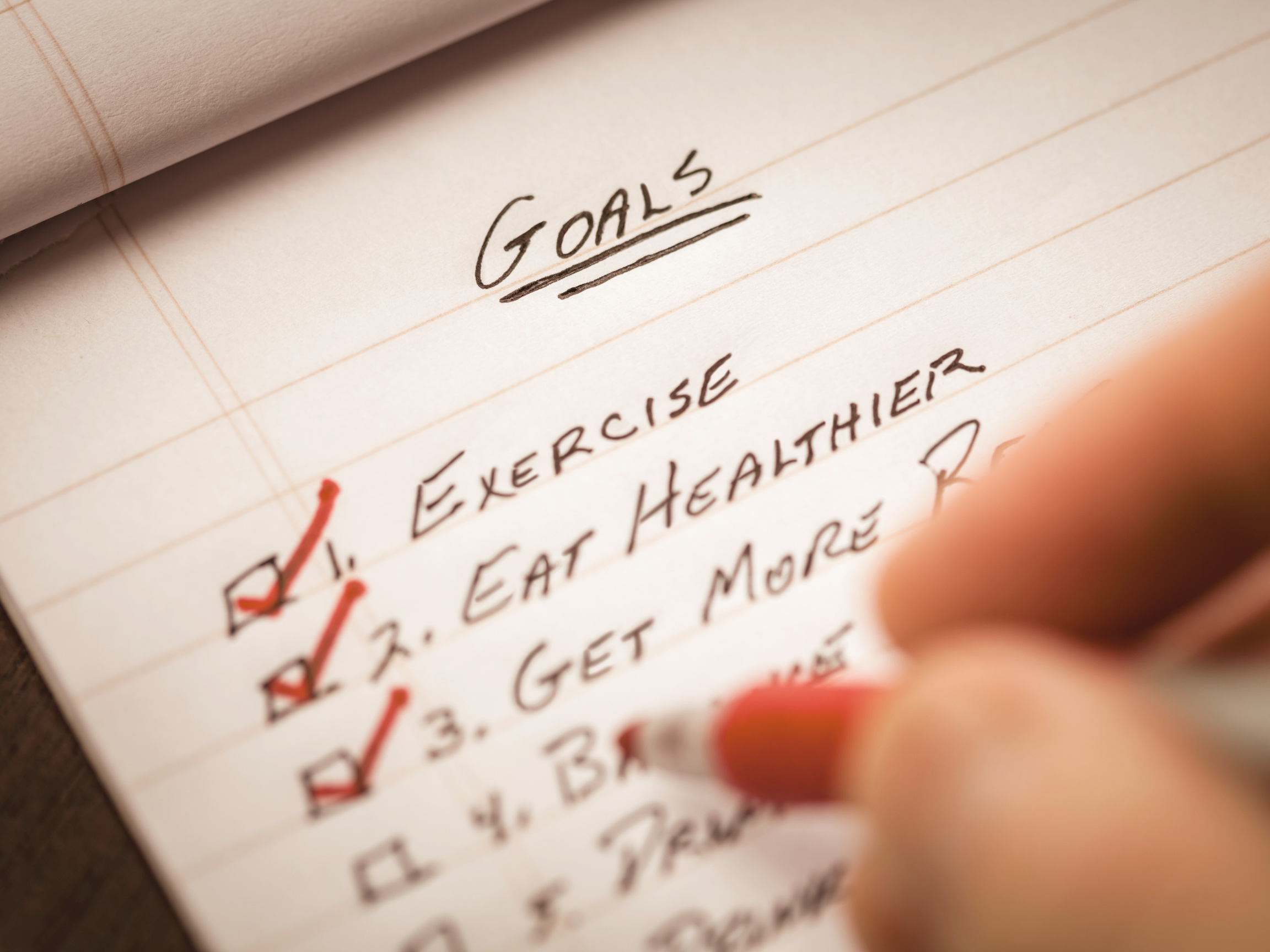
Somewhere along the way, many women learned that goals are supposed to be hard.
Not just a little challenging but really hard. The kind of hard that requires white-knuckled determination, endless self-control, and the ability to push through exhaustion without complaint.
If a goal feels manageable, we worry it doesn’t count. If it feels overwhelming, we assume that’s simply the price of success. But here’s the truth we don’t hear often enough:
Goals aren’t meant to punish you. They’re meant to support you.
A goal that consistently leaves you feeling inadequate, discouraged, or behind isn’t a character-building exercise. It’s a mismatch.
Why So Many Goals Fall Apart
When goals don’t stick, many women immediately turn the criticism inward:
“I just don’t have enough discipline.”
“I should be able to handle this.”
“What’s wrong with me?”
But more often than not, the problem isn’t you. It’s the goal.
Many goals fall apart because they:
Ask too much, too quickly
Ignore the reality of your daily life
Leave no room for rest, illness, stress, or setbacks
They assume unlimited energy, consistent motivation, and a smooth, interruption-free life. And that’s just not how life works, especially for women who are often balancing caregiving, work, relationships, and emotional labour all at once.
When a goal collapses under those unrealistic expectations, the blame lands squarely on you instead of on the goal itself. That’s not fair and it’s not helpful.
The Myth of “Just Try Harder”
There’s a strong cultural belief that if something isn’t working, the solution is simple: try harder.
Push more. Be stricter. Hold yourself to a higher standard.
But effort alone doesn’t make a goal sustainable. In fact, relying solely on willpower often backfires. Willpower fluctuates. Energy dips. Motivation comes and goes. Life interrupts often without warning.
Goals that depend entirely on constant effort and self-control tend to collapse the moment life gets complicated. And then women blame themselves for being human.
That cycle is exhausting and unnecessary.
Achievable Doesn’t Mean “Easy”
There’s a fear that if a goal feels achievable, it must be too small to matter. That if it doesn’t hurt a little, it’s not doing its job. Achievable doesn’t mean effortless, it means realistic.
An achievable goal is one you can imagine doing:
On a tired day
During a stressful week
When motivation is low
It’s a goal that doesn’t require a complete personality or lifestyle overhaul. You don’t need to wake up two hours earlier, overhaul your diet, or become someone with unlimited energy and focus.And when you miss a step, because you will, you don’t spiral into shame or self-criticism.
Small, steady goals build confidence. Impossible ones build shame.
Why Small Goals Matter More Than Big Ones
Big goals get a lot of attention. They sound impressive. They photograph well and they feel downright exciting. The truth is, small goals are what actually change lives.
Small goals:
Are easier to start
Are easier to return to after a break
Build a sense of trust with yourself
Every time you follow through on something manageable, you reinforce the belief that you can rely on yourself. That belief is far more powerful than any dramatic burst of motivation. Consistency, not intensity, is what creates lasting change.
3 Take-Away Tips
1. Ask: “Would I Recommend This Goal to a Friend?”
This is one of the simplest and most revealing questions you can ask.
If a friend described this goal to you, the expectations, the timeline, the lack of flexibility, would you encourage her? Or would you gently suggest she ease up?
Many women hold themselves to standards they would never recommend to someone they love. If the goal feels harsh, rigid, or unforgiving, that’s important information.
You deserve the same care and consideration you offer others.
2. Shrink the Goal (Then Shrink It Again)
Most goals need to be much smaller than we initially think….and then… smaller than that.
When a goal feels overwhelming, it’s not a sign you should quit. It’s a sign the goal needs adjusting. Smaller goals are easier to begin, easier to repeat, and easier to return to after life interrupts.
Returning matters more than intensity. Always.
A goal you can come back to after a difficult week is far more valuable than a perfect plan you abandon at the first setback.
3. Plan for Imperfect Weeks
Life will interrupt you. There will be weeks when:
You’re exhausted
Someone else needs you
Motivation disappears
Everything feels harder
Assume this upfront. Build it into the plan. A good goal still works when things don’t go according to plan. It allows for pauses, adjustments, and rest without turning them into evidence of failure.
Perfection isn’t the goal. Sustainability is.
Redefining Success
Success isn’t sticking to a goal flawlessly. It’s staying connected to it over time. It’s adjusting without quitting. It’s returning without punishing yourself. It’s choosing progress that fits your life instead of fighting against it.
When goals are achievable, they become supportive instead of stressful. They encourage rather than demand. They meet you where you are instead of constantly reminding you where you’re not.
A Gentle Reminder
You don’t need tougher goals. You don’t need more discipline, more pressure, or more self-criticism.
You need kinder goals, goals that respect your energy, your responsibilities, and your humanity. Goals you can actually live with. Goals that support you, not test you.
You’re not failing because a goal didn’t work. You’re learning what fits and that’s not weakness, that’s wisdom.